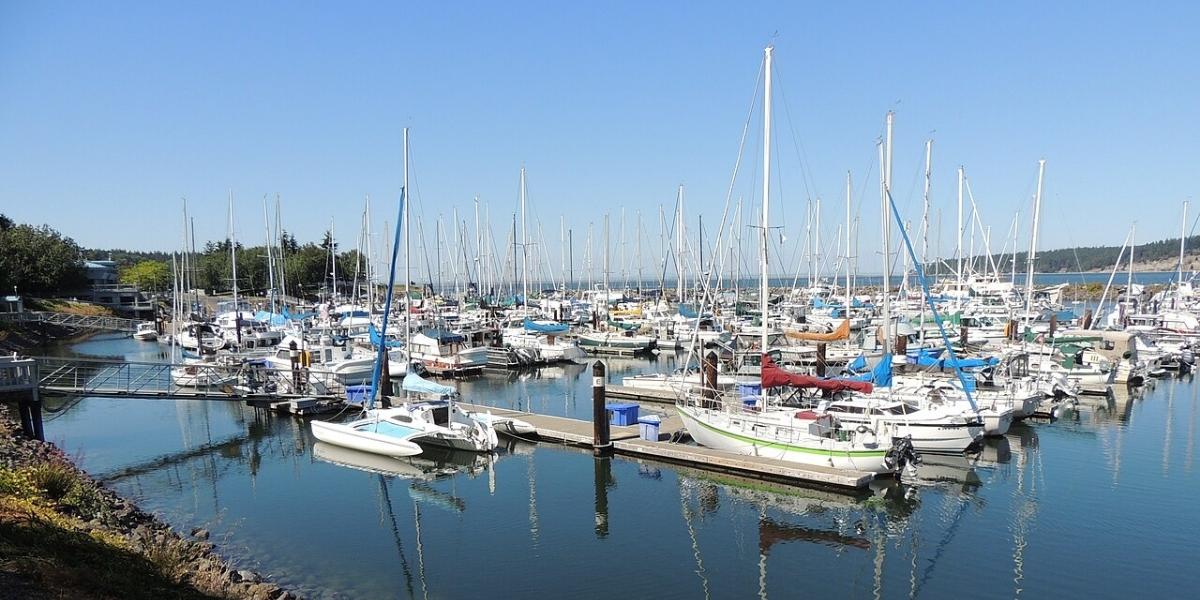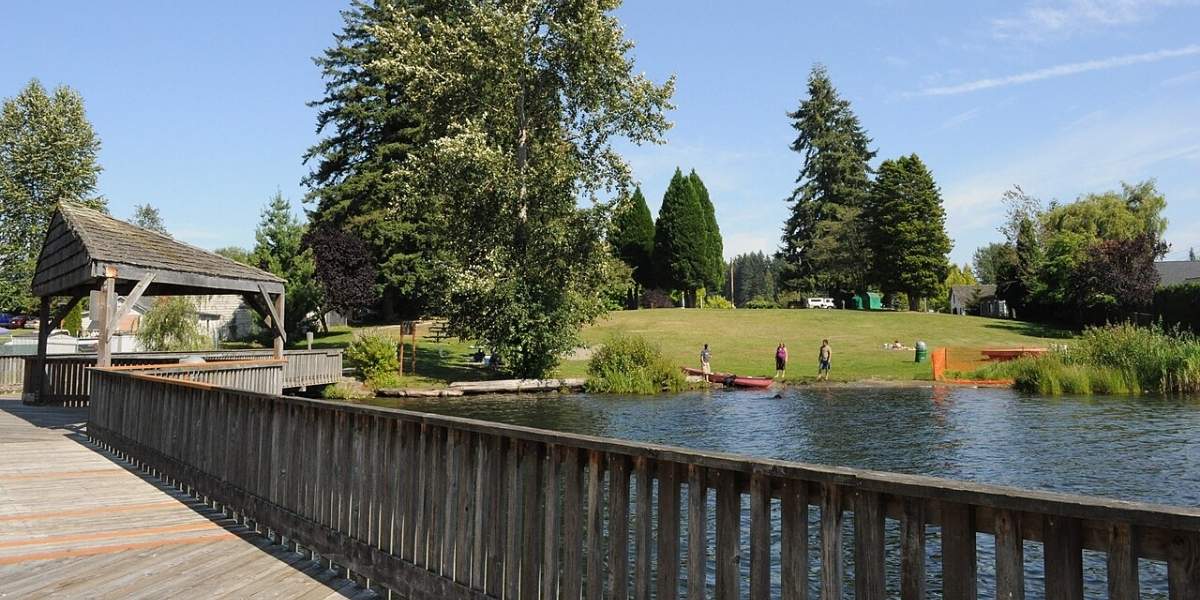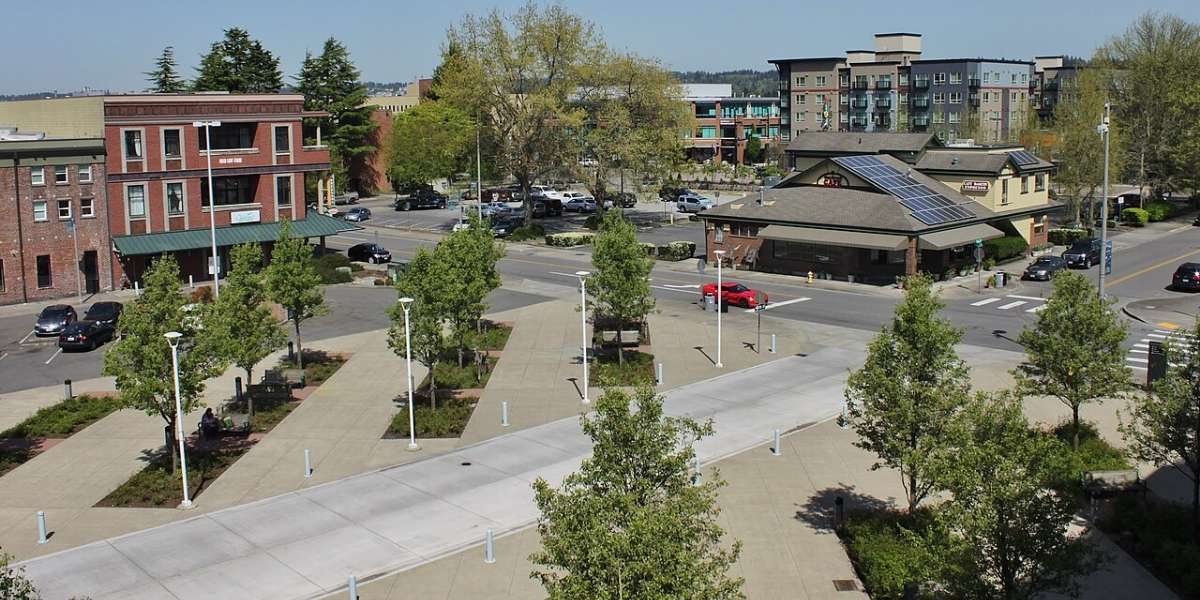
Auburn offers convenient access to Seattle, Tacoma and the rest of the Puget Sound region, making it a popular choice for commuters and families.
But residents say life in the South King County city comes with trade-offs.
While many praise Auburn’s location and diversity, others point to traffic, crime, suburban sprawl and a lack of things to do. Many also say the experience varies widely depending on the neighborhood.
Here are 10 of the most common downsides of living in Auburn, according to residents who shared their experiences online.
1. Traffic Can Make Even Short Commutes Miserable
Traffic was one of the most consistent complaints, particularly for people commuting between Auburn, Tacoma, Seattle and surrounding suburbs.
Residents frequently mentioned backups near Interstate 5, State Route 18 and State Route 167. Trips that seem manageable on a map can become much longer during afternoon rush hour or after a collision.
“Tacoma to Auburn is not a drive you’d want to make daily unless you had to,” one commenter wrote.
Another commuter said a trip that took about 20 minutes during lighter morning traffic could take 40 to 50 minutes between 3 and 6 p.m.
“The I-5/18 interchange is often backed up, and the 18/167/164 traffic blender in Auburn can be frustrating,” another resident wrote.
Several commenters said Auburn works best for people who live close to their jobs or can use the Sounder train.
2. Crime Is a Frequent Concern
Crime and public safety dominated many discussions about Auburn.
Residents mentioned theft, drugs, gang activity, overdoses and property crime, although opinions varied widely over whether Auburn is actually worse than neighboring cities.
“Somewhat high crime for a suburb,” one longtime resident wrote. “If an area feels shady, your instincts are probably right.”
Another commenter who worked in Auburn said the city appeared in the news frequently for crime and gang-related incidents.
Others pushed back against those characterizations, arguing that Auburn faces many of the same problems found across Tacoma, Seattle, Kent and Federal Way.
“You will encounter the same problems in Auburn that you will in Tacoma or Seattle or really anywhere else,” one commenter who identified himself as an Auburn police officer wrote.
3. Quality of Life Varies Sharply by Neighborhood
Residents repeatedly warned that Auburn cannot be judged as one uniform city.
Lea Hill and Lakeland Hills were often described as quieter and more desirable, while parts of the valley and South Auburn received harsher reviews.
“There are pockets of Auburn that are good,” one former teacher wrote.
Another longtime resident called Auburn “a nice place as long as you live on one of the hills.”
Some commenters said they felt perfectly safe in their neighborhoods, while others advised newcomers to research individual blocks carefully before signing a lease or buying a home.
The divide between neighborhoods also affects housing prices, schools, traffic and access to services.
4. Auburn Can Feel Boring
Auburn may offer plenty of shopping and everyday conveniences, but several residents said it lacks a strong entertainment scene or unique identity.
“In my personal opinion, Auburn is boring,” one former resident wrote.
Another described Lea Hill as “a boring bedroom community — just suburbs and houses.”
Others said Auburn feels like a typical Puget Sound suburb: functional, practical and relatively close to larger cities, but not especially memorable.
“There isn’t anything special about it, but that is kind of the point of Puget Sound suburbs,” one commenter wrote.
For residents who enjoy nightlife, walkable entertainment districts or a wide variety of independent restaurants, Auburn may feel limited.

5. Housing Is No Longer Especially Cheap
Auburn has long attracted homebuyers looking for a more affordable alternative to Seattle and the Eastside, but many residents say that advantage has narrowed in recent years.
The median home sale price in Auburn was about $650,000 over the three months ending May 2026, according to Redfin.
While that’s still below many King County communities closer to Seattle, some locals said they no longer view Auburn as the bargain it once was.
“It is getting expensive,” one former resident wrote.
Others suggested comparing Auburn with nearby Pierce County communities such as Puyallup, Sumner, Edgewood and parts of Tacoma, where they believed buyers could sometimes find comparable homes for less.
Residents also noted that prices vary considerably within Auburn itself, with neighborhoods like Lea Hill and Lakeland Hills generally commanding higher prices than other parts of the city.
“The safer desirable suburban areas are going to be more expensive,” one commenter wrote.
6. Suburban Sprawl Has Changed the Landscape
Residents who remember Auburn before its recent growth frequently complained about suburban sprawl.
They described forests, wildlife habitat and open views being replaced by subdivisions, oversized homes and dense residential development.
“Nothing but sprawl and ruining nice areas that used to have diverse wildlife,” one commenter wrote about development in Lea Hill and Lakeland Hills.
Another resident criticized the “cookie-cutter houses” being built throughout the area.
Not everyone agreed that new housing is harmful. Some commenters noted that the Puget Sound region faces a severe housing shortage and argued that Auburn must accommodate additional residents.
Still, the loss of open space and neighborhood character remains a common source of frustration.
7. The City Has an Industrial Feel
Auburn’s valley is home to warehouses, manufacturing facilities, rail lines and busy commercial corridors.
That industrial base provides jobs, but it also shapes how the city looks and feels.
“It’s an industrial valley city with not much to it,” one longtime resident wrote.
Other commenters described Auburn as functional but lacking the visual charm found in communities such as Sumner, Gig Harbor or North Tacoma.
For people who prefer historic neighborhoods, walkable streets or scenic downtown districts, parts of Auburn may feel dominated by traffic, parking lots and industrial development.
8. Downtown Auburn Feels Tired to Some Residents
Downtown Auburn has undergone redevelopment efforts, but some longtime residents believe progress has been slow.
“It’s trying to renovate the dying downtown area, but it’s going pretty slowly,” one commenter wrote.
Another former resident described parts of the city as feeling “stale,” with older homes and commercial properties that had not been updated as quickly as neighborhoods in Bellevue, Kirkland or Redmond.
Several commenters also mourned the loss of Auburn’s older family-owned shopping district after large retailers and the outlet mall became more prominent.
Others defended the redevelopment, pointing to new apartments and the need for additional housing.
The result is a downtown that some see as improving and others view as still searching for a clear identity.
9. Some Residents Raise Concerns About Schools
Auburn School District received both praise and criticism in the discussions. While experiences varied by campus, the district holds an overall B grade on Niche, earning marks of B- for academics, B for teachers, B+ for college prep and A+ for diversity.
Some parents spoke positively about elementary schools, Montessori programs and the district’s diversity. Others raised concerns about student behavior, fights and differences in quality between schools.
“Some schools are better than others,” one former Auburn teacher wrote.
The same commenter said elementary school experiences had been positive but described the middle schools as more difficult.
Another teacher claimed student fights had become common near the end of their career and encouraged families to research individual schools carefully.
Because experiences can vary considerably from one campus to another, families considering Auburn may want to review school performance data, tour individual schools and speak with local parents before deciding where to live.
10. Visible Addiction and Public Disorder Trouble Some Residents
Several commenters described witnessing overdoses, drug activity, homelessness and unusual behavior in public areas.
A mail carrier said he recently saw police attempting to revive a man who appeared to be overdosing.
“Every week I have some crazy on camera doing questionable acts,” the commenter wrote.
Residents disagreed over whether those incidents reflect a uniquely Auburn problem or a broader regional crisis involving housing costs, addiction and poverty.
Some longtime residents argued that similar conditions are increasingly visible throughout Western Washington.
Auburn’s Biggest Downside May Depend on the Address
The strongest conclusion from local discussions is that Auburn offers very different experiences depending on the neighborhood, commute and lifestyle.
Some residents appreciate its diversity, transportation options and relatively quiet residential areas. Others see a city burdened by congestion, uneven development and persistent public-safety concerns.
Even Auburn’s critics acknowledged that the city contains desirable neighborhoods and residents who remain deeply committed to their community.
As one longtime resident put it, Auburn is “fairly diverse in quality.”
For anyone considering a move, the best approach may be to spend time in several parts of the city, test the commute during rush hour and look beyond citywide reputations before making a decision.