Few Washington cities have changed as dramatically over the past few decades as Puyallup.
Long known for its downtown charm, the Washington State Fair, views of Mount Rainier, and family-friendly suburbs, the city has become one of the region’s fastest-growing communities.
New housing developments continue to spread across South Hill, warehouses have expanded throughout the valley, and thousands of people have moved to the area looking for more space than Seattle or Tacoma can offer.
To outsiders, Puyallup often sounds like the ideal compromise: suburban, relatively safe, packed with shopping and restaurants, and close to both Tacoma and Seattle.
But what’s it actually like to live there?
That question recently sparked a lively discussion among residents. While opinions varied, one theme appeared over and over again: People generally like living in Puyallup.
They just wish it wasn’t so hard to get around.
The Good: Safety, Convenience, And Community
For many residents, Puyallup still checks a lot of boxes.
“I LOVE this area,” one resident wrote.
Another described it as “pretty decent, for the most part” and said they generally feel safe almost everywhere in the city.
Safety came up repeatedly throughout the discussion.
“Crime is pretty low, honestly,” one resident wrote. “You’ll get people trying your car door handles at night and maybe a porch pirate, but that’s everywhere anymore.”
Others praised the area’s parks, schools, shopping, and family-friendly atmosphere.
“We are raising kids here and it feels very safe and pretty clean for the most part,” another resident said. “There’s a stronger sense of community than other places I’ve lived.”
One local painted a picture that sounded straight out of a movie.
“During Halloween, it looks like an 80s movie with fog machines and kids running amok. It’s awesome.”
Many residents also appreciated having nearly everything they need nearby.
“There are TONS of mom-and-pop places and chain restaurants too,” one resident wrote. “Grocery stores galore and a nice farmers market. It really is the best of both worlds.”
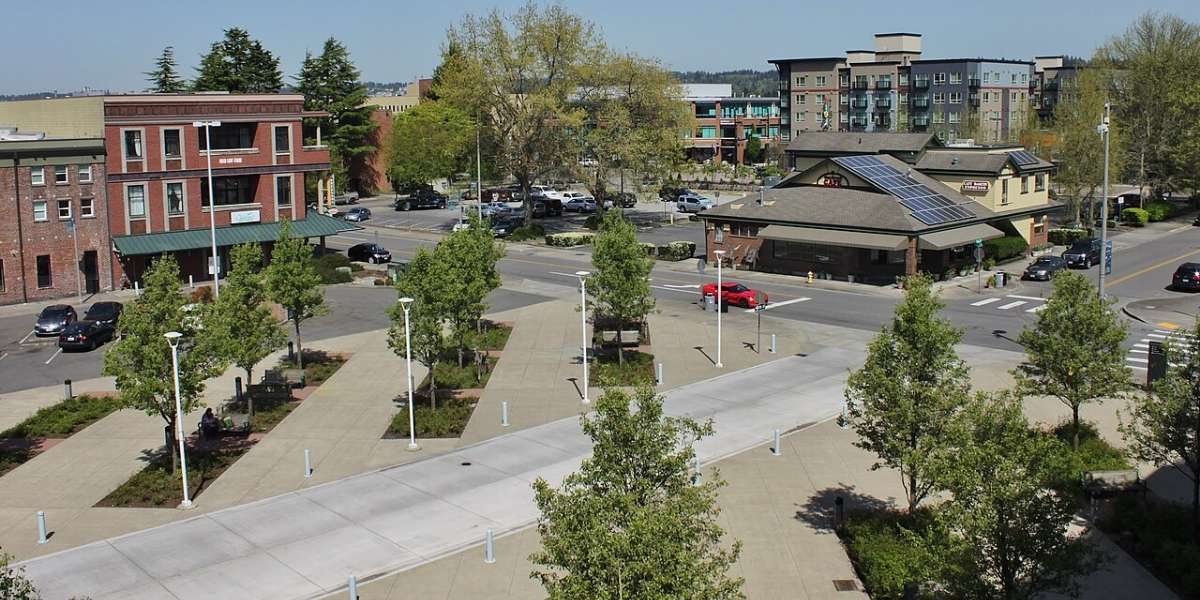
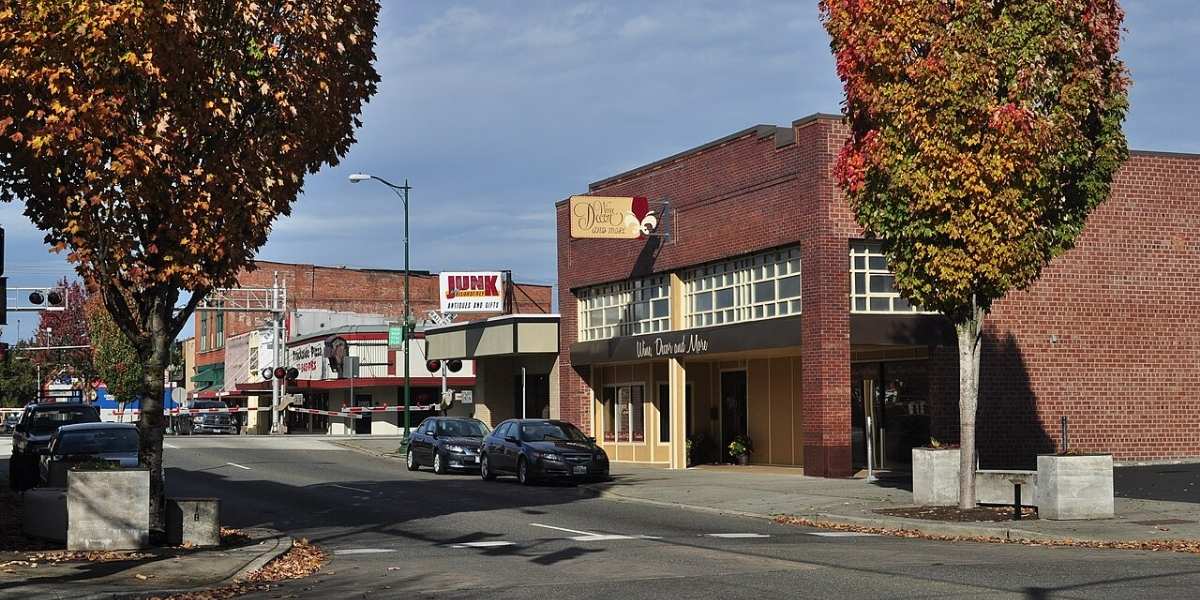
Others highlighted downtown Puyallup’s walkability, antique stores, parks, Riverwalk Trail, and farmers market.
“We bought in downtown Puyallup 30 years ago and while it has changed we still love it,” one longtime resident wrote.
Then The Conversation Turns To Traffic
If there was one issue nearly everyone agreed on, it was traffic.
One commenter summed it up in a single sentence:
“I wouldn’t move there unless I worked so close I wouldn’t need to use the highways to get to work. Because 512 and 167 are [expletive].”
Residents repeatedly pointed to State Route 512, State Route 167, Meridian Avenue, and South Hill as sources of daily frustration.
“The South Hill area is way overdeveloped, which causes really bad traffic problems on the main roads in and out,” one resident wrote.
Another put it more bluntly: “Commuting will be the biggest negative for Puyallup.”
Even residents who otherwise love the city admitted traffic has become difficult.
“It takes way too long to get somewhere that’s only five minutes away,” one person wrote. “I spend more time getting to a store than I do shopping when I get to my destination.”
Others blamed decades of growth that outpaced infrastructure improvements.
According to US Census data, the average commute time for Puyallup workers is roughly 31 minutes, longer than the national average. Residents made it clear that commute times can be much worse during peak hours.

A Tale Of Two Puyallups
One interesting theme was the distinction residents made between downtown Puyallup and South Hill.
Downtown received praise for its walkability, charm and older neighborhoods.
“I love the walkability of it, from grocery stores, restaurants, parks, riverwalk, library and wonderful farmers market,” one longtime resident said.
South Hill generated more mixed reactions. Many appreciated having nearly every store and service within a few minutes of home.
“I don’t need to leave the area for any basic errands and needs,” one resident wrote.
Others felt rapid development has fundamentally changed the area.
“Everything is cramped and getting worse every day,” one longtime local wrote.
Several commenters described newer neighborhoods as being “packed in like sardines,” with parking becoming increasingly difficult.
Growth, Housing And The Cost Of Staying
The discussion also revealed a growing tension among longtime residents.
Many still love Puyallup but worry about what continued growth means for the future.
“I loved it when I moved here,” one resident wrote. “Now every space with trees is just another future apartment complex or Amazon truck driver parking.”
Another resident said they may have to leave despite wanting to stay.
“Honestly, I wish I could afford to stay here, but I’ll have to move somewhere cheaper if I can’t find a second job.”
That concern reflects broader housing trends.
According to Zillow and regional market data, median home values in Puyallup are around $575,000, putting homeownership out of reach for many younger buyers and lower-wage workers.
“It’s expensive,” one resident wrote. “But it has a lot to offer shopping/eating wise.”
Several longtime locals said affordability was one of the city’s biggest casualties as growth accelerated.
“Puyallup used to be amazing. Small town feel. Affordable,” one resident wrote. “None of this exists anymore.”
What About Crime, Homelessness And Quality Of Life?
Most residents described Puyallup as relatively safe.
Several acknowledged homelessness and property crime, but many felt those issues were not unique to the city.
“Homelessness has become an issue here but I also think it’s everywhere that has any resources,” one downtown resident wrote.
Another commenter said: “There are a lot of vagrants around and it’s going to affect your daily life.”
Still, even that resident added: “But honestly. That’s everywhere in Western Washington these days.”
Others praised the city’s parks, mountain views, and overall quality of life.
One resident called Puyallup’s view of Mount Rainier the “best viewing angle of Rainier.”
Another described the city as having “beautiful area, cool parks to go to, relatively low crime rate” and plenty of nearby outdoor recreation.
So What’s It Really Like Living In Puyallup?
The answer depends on what you’re looking for.
If you want good schools, shopping, parks, family-friendly neighborhoods and convenient access to Tacoma and Seattle, many residents believe Puyallup offers a lot.
If you hate traffic, long commutes, crowded roads, and rapid growth, the city may test your patience.
Many longtime residents clearly miss the smaller, quieter Puyallup they remember. Yet despite the complaints, many also admitted they still love living there.
Perhaps that’s the contradiction that best defines modern Puyallup.
Residents complain about the traffic. They complain about the growth. They complain about the prices.
But a surprising number of them still call it home — and wouldn’t want to be anywhere else.