Vancouver has spent much of its existence in Portland’s shadow.
To outsiders, it’s often viewed as Portland’s quieter, more affordable neighbor across the Columbia River — a place where residents enjoy Washington’s lack of a state income tax while remaining close to Oregon’s restaurants, culture, and nightlife.
Others see it as one of Washington’s fastest-growing cities, a suburban hub filled with new housing developments, family neighborhoods, and easy access to some of the Pacific Northwest’s most spectacular scenery.
But what’s it actually like living in Vancouver?
A City Of Very Different Neighborhoods
One of the first things longtime residents emphasized is that Vancouver isn’t one place.
“It’s got huge variations in price point and the surrounding areas,” one resident explained after living throughout the city for roughly 20 years.
East Vancouver was repeatedly described as the city’s more affluent side, with newer developments, higher housing costs, and proximity to Camas.
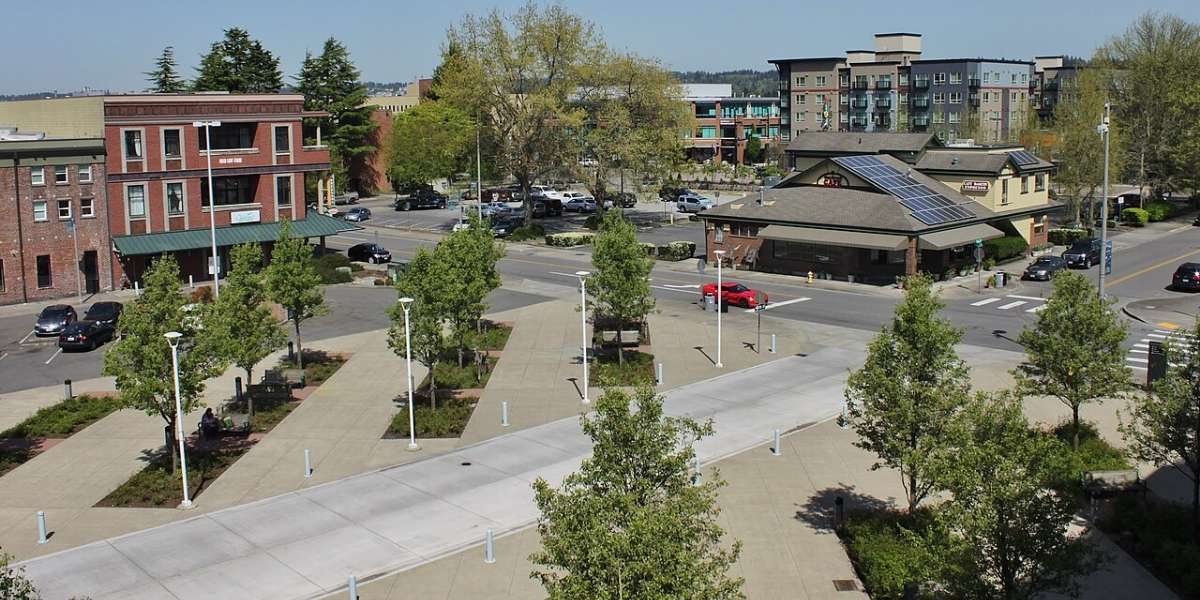
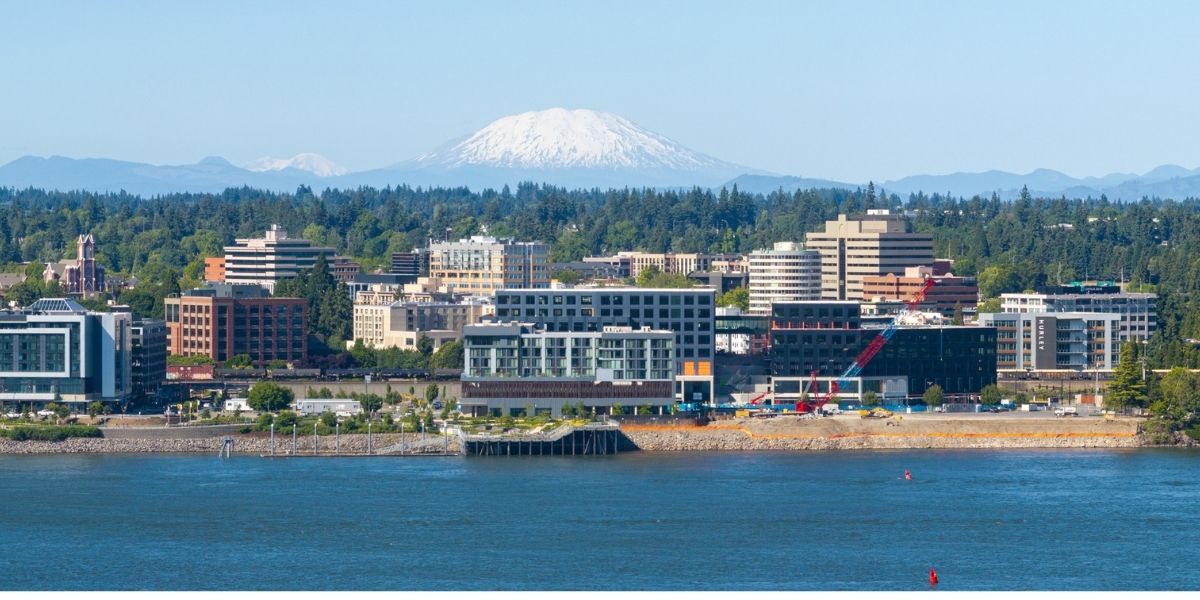
Downtown and the waterfront earned praise for newer apartments, restaurants, and walkability, while areas such as Hazel Dell, Salmon Creek, Orchards, and Felida were described as offering very different experiences.
“Vancouver is huge with many pockets of varying high and low income areas,” one resident wrote. “You can find a few acres, an apartment, a huge fancy house or something small and Portland-y anywhere here.”
That diversity helps explain why some residents see Vancouver as suburban sprawl while others describe it as surprisingly walkable.
What Locals Love: Location, Nature, And Convenience
If there was one point nearly everyone agreed on, it was Vancouver’s location.
Residents repeatedly highlighted how close they are to outdoor recreation.
“It’s a nice place to live and there is plenty of outdoor stuff,” one resident wrote, pointing to Mount Hood, the Columbia River Gorge, Mount St. Helens, and the Oregon Coast.
Another longtime resident said: “I love it here because we are within a 90-minute drive of the mountains/snow and the ocean and there’s lots of outdoor adventures to be had.”
Many also praised Vancouver’s position near Portland.
“Close enough to Oregon to take advantage of no sales tax. What’s not to love.”
Others pointed to Vancouver’s growing restaurant scene, waterfront redevelopment, farmers market, parks, historic neighborhoods, and Fort Vancouver.
One resident who returned after living elsewhere on the West Coast said he simply had to come back.
The Biggest Complaint About Living in Vancouver: Traffic
No issue appeared more consistently than traffic. Specifically, bridge traffic.
Residents repeatedly warned newcomers not to underestimate commuting between Vancouver and Portland.
“Don’t underestimate the traffic time crossing the bridge. It can be excessive.”
“If you get a job in Portland and can’t work from home, the commute will slowly destroy your soul.”
One former resident described the daily drive home from Portland as “an absolute nightmare.”
Another said crossing the river during rush hour was “a nightmare to cross the state border.”
Even people who generally liked Vancouver often singled out traffic as their biggest frustration.
“Rush hour is pretty much all day now, Monday through Saturday.”
For many residents, Vancouver works best when your job is also in Vancouver.
Growing Pains And Rising Costs
Vancouver’s population has surged over the past two decades, transforming what several longtime residents described as a quiet suburb into a major city.
Home to roughly 205,000 residents, Vancouver is now Washington’s fourth-largest city.
“We’re one of the fastest growing cities in the state,” one resident noted.
That growth has brought benefits. The waterfront has been redeveloped. New businesses continue to arrive. Infrastructure improvements are underway.
But it has also brought higher housing costs.
According to Census Bureau data, Vancouver’s median household income is about $81,338, below Washington’s statewide median of roughly $98,000. The median value of owner-occupied homes is approximately $462,400, while recent home sales have hovered around $490,000.
Several longtime residents said they have watched affordability disappear.
“I love the west side of the city and lived there for 20 years before skyrocketing housing costs priced us out.”
Another resident said home prices have increased dramatically over the last decade.
Others felt Vancouver remains relatively affordable compared to Seattle or Portland, illustrating how perceptions often depend on where people are moving from.
Walkable City Or Car-Centric Sprawl?
Residents sharply disagreed on this point. Several described Vancouver as heavily car-dependent.
“It’s very pedestrian unfriendly.”
“Everywhere else is extremely car centric.”
Others argued that depends entirely on where you live.
“The west side is walkable/bikeable.”
“I can walk to the downtown area and to the river/waterfront.”
One resident who lives near Fort Vancouver said they can easily walk downtown and rarely encounter many of the problems often discussed online.
Another noted: “VanWa is a big city. So car-centric Fishers Landing is very different than walkable uptown/downtown, so your vibe may vary.”
Crime, Homelessness, And Quality Of Life
Residents acknowledged homelessness, property crime, and drug issues, but disagreed on their severity.
One resident complained about “tagged fences, car break ins, etc.”
Another said crime has “definitely increased over the years.”
Yet others felt online discussions exaggerated the problem.
“As an Asian woman, I’ve never felt unsafe here.”
“Violent crime is low here.”
“I’ve only witnessed one aggressive person.”
Several residents emphasized that homelessness exists but argued it is not substantially worse than similarly sized cities.
“Will you see homeless people sometimes? Yes.”
Others were less forgiving, describing increases in crime, encampments, and vehicle prowling over the past decade.
As with many aspects of Vancouver, perceptions often seemed tied to neighborhood and personal experience.
Is Vancouver Boring?
This may have been the most divisive question of all.
“Boring. You’ll end up going to Portland to have most, if not all your fun.”
“If you’re young, and like going out it’s pretty boring.”
Others completely disagreed.
“If you can’t find whatever ‘culture’ you’re looking for in Vancouver, you aren’t looking hard enough.”
Another resident praised the city’s restaurants, breweries, concerts, parks, waterfront, and growing diversity.
The disagreement often came down to age and lifestyle.
Young adults looking for nightlife frequently preferred Portland.
Families and established homeowners tended to view Vancouver much more favorably.
Schools And Raising Kids
Many residents described Vancouver as a solid place for families.
School discussions were generally mixed but leaned positive.
Several residents advised prospective buyers to research individual schools rather than relying on district-wide reputations.
The Vancouver School District currently holds a B rating from Niche based on academics, teachers, college preparation, and other factors.
As one resident put it: “School district is up and down… look into the specific school.”
So What’s Life In Vancouver Really Like?
The strongest theme running through the discussion was balance.
Vancouver isn’t Portland. It’s also not the small, sleepy suburb many longtime residents remember.
It’s a growing city with rising housing costs, worsening traffic, and the same challenges facing many communities across the Pacific Northwest.
At the same time, residents pointed to strong neighborhoods, abundant outdoor recreation, a revitalized waterfront, and a location that puts mountains, beaches, rivers, and a major metro area within easy reach.
Perhaps one resident summed it up best: “Vancouver is ok. Not terrible, not great.”