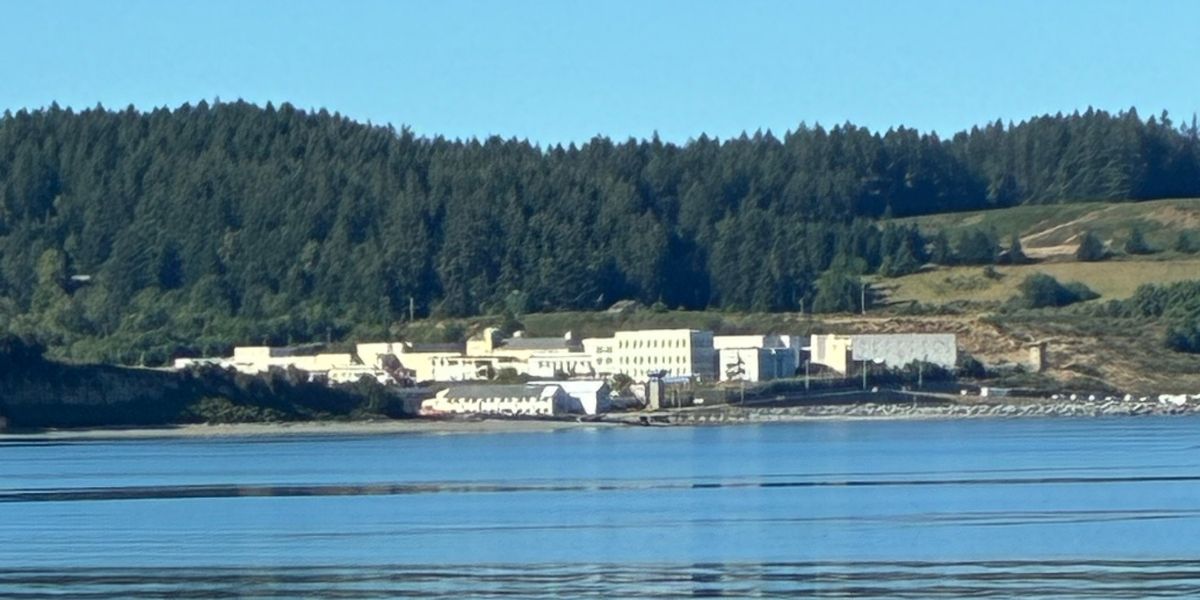
Most Washingtonians have heard of Alcatraz.
Many have visited former prisons, toured historic jails, or watched documentaries about notorious inmates.
But few realize Washington has its own island with a prison history, infamous criminals, and a controversial facility that still operates today.
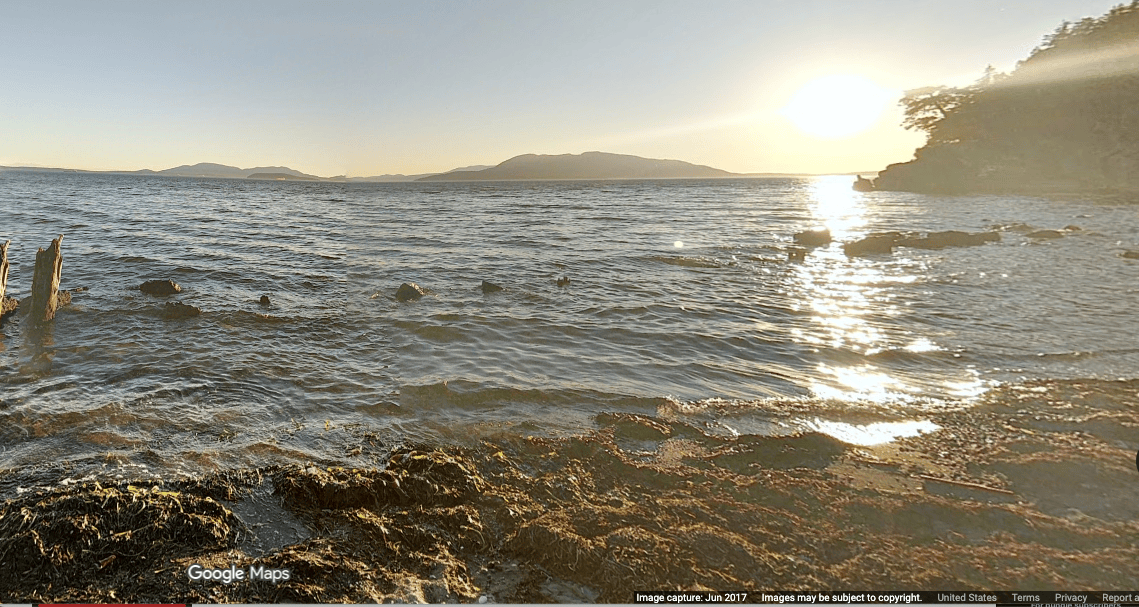
Just a few miles off the Pierce County shoreline sits McNeil Island, Washington, one of the most unusual and least understood places in the state.
For more than a century, McNeil Island housed a prison. Today, it remains home to a secure facility where some residents are held indefinitely even after completing their criminal sentences.
Here’s what McNeil Island is, who lives there today, and why it remains one of Washington’s most debated places.
Table of Contents
Where Is McNeil Island, Washington?

McNeil Island sits in southern Puget Sound between Key Peninsula and Anderson Island. Although it is close to the mainland, public access is heavily restricted.
Most Washington residents will never set foot on the island.
Unlike nearby Anderson Island, which is home to hundreds of residents, McNeil Island is not open to tourists and has very limited public access.
That isolation is one reason many people have never heard much about it.
The Island’s Prison History
McNeil Island’s connection to corrections dates back to the 1870s. The federal government established a prison there in 1875, making it one of the oldest federal prisons in the United States.
Over the decades, thousands of inmates passed through its gates. Some became household names.
Among the most famous was gangster Alvin “Creepy” Karpis, the last person designated Public Enemy No. 1 by the FBI.
Charles Manson also spent time at McNeil Island years before becoming one of America’s most notorious criminals.
The prison eventually transitioned to state operations and became the McNeil Island Corrections Center.
For generations, it was one of Washington’s best-known prisons.
Why Did The Prison Close?
In 2011, Washington permanently closed the McNeil Island Corrections Center.
State officials cited budget concerns and the high cost of operating a prison on an island.
Every staff member, visitor, supply shipment, and inmate transfer required transportation by ferry.
The closure ended more than 130 years of prison operations.
Or so many people thought.
What Exists On McNeil Island Today?
While the prison closed, one major facility remained.
Today, McNeil Island is home to Washington’s Special Commitment Center.
The facility houses individuals who have completed their criminal prison sentences but have been civilly committed by court order.
That distinction is important.
Residents are not serving additional criminal sentences. Instead, they are being held under Washington’s civil commitment law.
Who Lives On McNeil Island, Washington?
The Special Commitment Center houses people whom courts have determined meet Washington’s legal definition of a sexually violent predator.
Under state law, prosecutors can petition to civilly commit certain offenders nearing release from prison.
If a judge or jury determines the individual suffers from a qualifying mental abnormality or personality disorder that makes them likely to commit future acts of sexual violence, the court can order them committed to the facility.
The commitment occurs through a civil court process rather than a criminal prosecution.
Today, roughly 125 to 130 residents live at the Special Commitment Center on McNeil Island, according to recent reports, though the population has declined in recent years as some residents have transitioned to supervised community placements or been released by court order.

How Someone Ends Up There
Residents do not automatically transfer to McNeil Island when they finish their prison sentences.
Before certain Level III sex offenders are released, Washington’s End of Sentence Review Committee evaluates whether they may meet the legal definition of a sexually violent predator.
The committee includes representatives from multiple agencies, including the Department of Corrections, Department of Social and Health Services, law enforcement, and other state entities.
If experts believe an offender may qualify, prosecutors can ask a court to consider civil commitment.
The individual then undergoes psychological evaluations, and a judge or jury ultimately decides whether the person meets the legal standard for commitment.
Under Washington law, the state must show that the individual suffers from a mental abnormality or personality disorder that makes them likely to commit future acts of sexual violence if released.
If the court agrees, the person is civilly committed to the Special Commitment Center on McNeil Island.
What Happens Once They’re There?
The state describes the Special Commitment Center as a treatment facility rather than a prison.
Residents enter McNeil Island’s total confinement facility and participate in a sex offender treatment program designed to address behaviors and risk factors associated with sexual violence.
Treatment is structured in increasingly challenging phases, with residents expected to demonstrate progress over time.
Supporters of the system argue that the goal is treatment and eventual safe reintegration into society, not punishment.
Critics counter that many residents spend years — and sometimes decades — confined after completing their criminal sentences.
Can Residents Ever Leave?
Yes.
Every resident has a constitutional right to an annual court review to determine whether they still meet the criteria for civil commitment.
Residents also have defense attorneys representing them and may petition the court at any time for release.
If a judge determines a resident has made sufficient progress and can be safely managed outside the facility, the court can order a conditional release to what Washington calls a Less Restrictive Alternative, or LRA.
These placements can include secure transition facilities or community housing with strict supervision, treatment requirements, and court-imposed conditions.
In some cases, courts order unconditional release, meaning the individual no longer meets the legal definition of a sexually violent predator and is no longer subject to Special Commitment Center oversight.
Why The Facility Exists
The Special Commitment Center was created after Washington passed the Community Protection Act of 1990.
Before then, offenders who completed their prison sentences were generally released into the community, regardless of concerns about future risk.
The law made Washington the first state in the nation to allow the civil commitment of sexually violent predators after they completed their criminal sentences.
More than three decades later, supporters view the system as an important public safety measure, while critics continue to question whether indefinite confinement after a completed sentence is compatible with civil liberties.
How Long Do Residents Stay?
There is no fixed release date. Some residents remain at the facility for years. Others remain for decades.
Residents receive treatment and periodic reviews and can petition courts for release.
In some cases, residents may transition to supervised housing programs under strict conditions. Others remain confined indefinitely.
That reality has fueled ongoing debate about the facility and the law behind it.
Why Is The Law So Controversial?
Supporters argue the system protects the public from offenders who pose an unusually high risk of committing future violent sexual crimes.
Critics argue the government should not continue restricting someone’s freedom after a criminal sentence has already been completed.
The debate has played out in courtrooms, legislative hearings, and communities across Washington for decades.
Washington became the first state in the nation to enact a sexually violent predator civil commitment law in 1990.
Since then, numerous states have adopted similar systems.
Even so, McNeil Island remains one of the most visible examples in the country.
Can You Visit McNeil Island?
Generally, no. The island is not a tourist destination and public access is highly restricted.
Unlike nearby islands served by Washington State Ferries, there is no public transportation route allowing visitors to explore the island.
Most people who see McNeil Island only view it from the water or from nearby shorelines.
Why So Few People Know About It
The answer is surprisingly simple. The prison closed more than a decade ago.
The current facility rarely makes headlines. The island is largely inaccessible.
And unlike active prisons, the residents of the Special Commitment Center are not serving criminal sentences, making the facility less visible to the public.
As a result, many lifelong Washington residents have never heard of the island’s modern role.
Yet just offshore sits one of the state’s most unusual institutions — a place where history, public safety, and civil liberties continue to collide.
Frequently Asked Questions About McNeil Island
Is McNeil Island still a prison?
No. The McNeil Island Corrections Center closed in 2011.
Who lives on McNeil Island today?
Residents of the Special Commitment Center, a secure civil commitment facility operated by Washington state.
Why are they there?
Courts determined they meet Washington’s legal definition of a sexually violent predator and should remain confined for treatment and public safety reasons.
Can residents ever leave?
Yes. Residents receive regular reviews and may petition for release or placement in less restrictive settings.
Can the public visit McNeil Island?
Generally no. Access is highly restricted and the island is not open for tourism.
Why is McNeil Island controversial?
The debate centers on whether the government should be able to continue confining individuals after they have completed their criminal sentences based on the risk of future offenses.
Don’t Miss: What Living In Tacoma Is Really Like: ‘Cursed’ Or One Of Washington’s Best-Kept Secrets?