Beverly Hills occupies a unique place in the American imagination. It’s a city synonymous with movie stars, designer boutiques, sprawling mansions, luxury cars, plastic surgeons, and the famous 90210 ZIP code.
For many people, it’s less a real community than a symbol of wealth, fame, and Hollywood excess.
So when someone recently posed a simple question online — “Folks that live in Bel Air and Beverly Hills, what do you do for a living and are you real humans?” — the responses offered a rare glimpse behind the manicured hedges and celebrity stereotypes.
Who Actually Lives Here?
Current residents, former residents, neighbors, and people who have spent years working in the area described a city that is both more ordinary and more complicated than outsiders might expect.
Yes, there are celebrities, entertainment executives, foreign royalty, business moguls, and families with generational wealth.
There are also doctors, lawyers, dentists, small-business owners, and longtime residents who bought homes decades ago before prices climbed into the stratosphere.
What emerged wasn’t simply a portrait of extreme wealth. Residents described Beverly Hills as a place defined by privacy, excellent schools, quiet streets, family life, and a social culture that some find welcoming and others find exhausting.
Wealth Is Everywhere — But Not Always How People Imagine
Many commenters said outsiders tend to assume everyone in Beverly Hills is a celebrity. Residents said reality is often more complicated.
“Celebrity, intergenerational wealth, some real estate, some tech, some finance, some just well to do business owners.”
Another commenter who spent years socializing with Beverly Hills families while raising children there said many wealthy residents built fortunes through businesses rather than entertainment.
“A lot of these wealthy families own franchises or other businesses, like 20+ Subways, car dealerships, a few dental offices, etc., work hard and make good income.”
Others described a mix of federal judges, hospital directors, lawyers, doctors, executives, business owners, entertainment professionals, and wealthy international families.
“It’s a crazy blend of old and new money.”
One commenter offered perhaps the simplest explanation: “Every company in this country has an owner and senior management.”
The Beverly Hills Most Tourists Never See
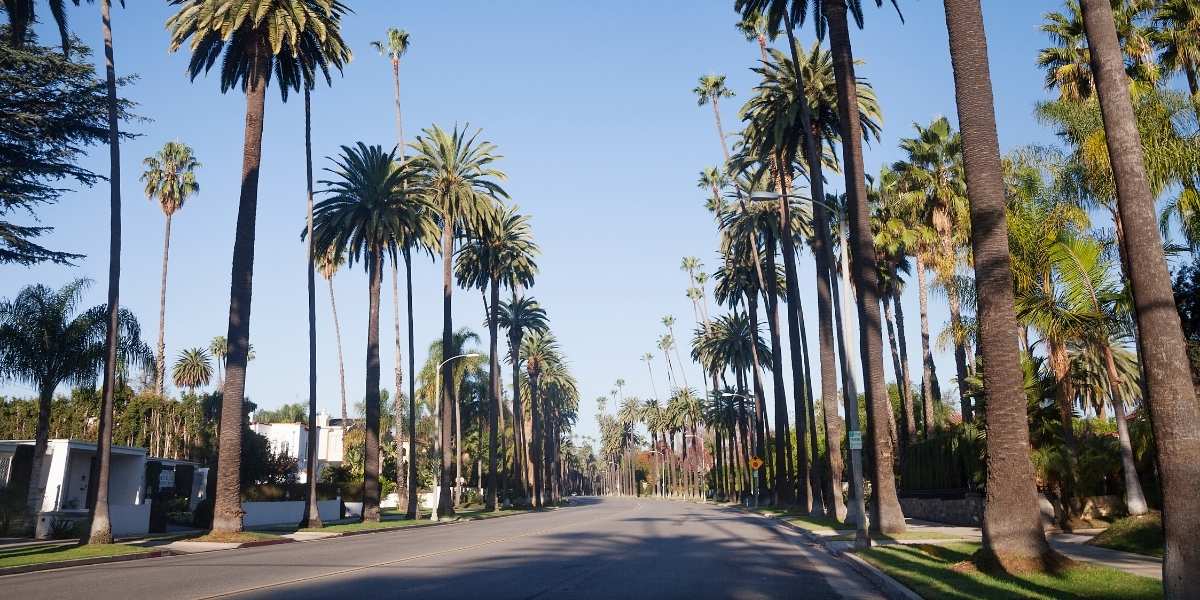
For many respondents, Beverly Hills wasn’t about Rodeo Drive or celebrity sightings. It was about quiet streets. It was about privacy. And in some cases, wildlife.
One resident who lives in the hills described seeing coyotes, deer, snakes, and even the occasional mountain lion.
“It’s really peaceful where I live, at the end of a quiet road,” the resident wrote.
The same commenter also noted the tradeoffs. “There’s no shortage of mudslides, rockfalls & brushfires where I am.”
Others echoed the theme. “It’s a residential neighborhood without much street life/community.”
“Very quiet during the day, very quiet during the night.”
“If you value quiet and space it’s a great place to live.”
Several residents said the farther north into the hills you go, the more secluded things become. One person described long stretches of private residential streets where residents largely keep to themselves.
Safe, Clean, Walkable — And Surprisingly Family Friendly
While Beverly Hills is often portrayed as a playground for celebrities and the ultra-wealthy, several residents said daily life feels much more family-oriented than outsiders might expect.
“I’ve rented in Beverly Hills for 4.5 years now and love it so much,” one local said. They praised the city’s clean streets, walkability, safety, nearby grocery stores, and friendly atmosphere. “My neighborhood is full of friendly families.”
Another former resident who raised children in Beverly Hills described the city as “super family friendly” and praised its schools.
Those impressions align with some of the city’s demographics. Beverly Hills is home to roughly 32,000 residents, according to U.S. Census Bureau data. The median household income is approximately $133,000, well above California’s statewide median of $99,000, while the homeownership rate exceeds 40%.
Housing costs, however, remain among the biggest barriers to entry. Recent market data shows median home sale prices hovering around $3 million to $4 million, several times higher than California’s statewide median home value.
Despite its reputation for luxury, several residents said the city’s appeal comes less from celebrity culture and more from quality-of-life factors. Others described Beverly Hills as remarkably calm compared to much of Los Angeles.
“I feel safe going on walks alone.”
For residents seeking nightlife, however, Beverly Hills may not be ideal. One renter said it’s a great place to live “as long as you don’t mind not being super close to nightlife.”
Not Everyone Loves The Culture
While many residents praised the quality of life, others were far less enthusiastic about the social atmosphere. “The only culture is outspending your neighbor.”
One former resident described Beverly Hills as “a big popularity contest.”
Another criticized what they saw as a culture built around appearances. “Everyone is so plastic and fake smiley.”
Others described a sense of snobbery. “Many of the people who live in the city have an attitude which I never liked even as a kid.”
Several commenters said Beverly Hills can sometimes feel more like a carefully managed image than a traditional community. “It’s so heavily landscaped everything looks like a set.”
One resident summed up the contradiction bluntly: “Still better than 99.99% of places in the US but many other neighborhoods in Los Angeles have more character.”
The Celebrity Factor
The celebrity aspect of Beverly Hills generated plenty of discussion, though many residents suggested it isn’t as glamorous as outsiders imagine. One commenter who grew up in the area said celebrity encounters eventually become routine.
“When you’d see some action hero on screen pulling off incredible feats she’d just think how she just saw them standing in line at Starbucks.”
Another person recalled growing up near famous neighbors including television host Merv Griffin, actor Sylvester Stallone, and publisher Larry Flynt.
Others said Beverly Hills no longer dominates Hollywood culture the way it once did, as celebrities have increasingly spread out across Los Angeles County.
Who Actually Thrives Here?
The people who seemed happiest in Beverly Hills shared similar traits. Many valued peace and quiet. Many prioritized schools and safety. Many appreciated beautiful neighborhoods and privacy more than nightlife or cultural activity.
Several residents described Beverly Hills as ideal for families, professionals, and people seeking a calmer version of Los Angeles.
The people who struggled tended to be those looking for stronger community connections, more diversity, more spontaneity, or a stronger local culture.
“It’s pretty and tranquil compared to the rest of L.A. but severely lacking in terms of useful shops.”
So What’s It Really Like Living In Beverly Hills?
The discussion revealed a Beverly Hills that feels less like a movie set and more like a collection of very different neighborhoods sharing one famous ZIP code.
For some residents, it’s one of the safest, cleanest, most comfortable places they’ve ever lived. For others, it’s beautiful but sterile, wealthy but lacking character.
Nearly everyone agreed on one thing: Beverly Hills is far more ordinary than outsiders imagine — and far wealthier than most Americans can comprehend.
Behind the celebrity stereotypes are families, business owners, retirees, professionals, and longtime residents living everyday lives in one of the most famous communities in the world.
Whether that sounds appealing depends largely on how much you value privacy, prestige, and peace — and whether you can afford the price of admission.
Don’t Miss: Someone Asked What It’s Like Living In Atherton – One Local Called It ‘A Different Universe’