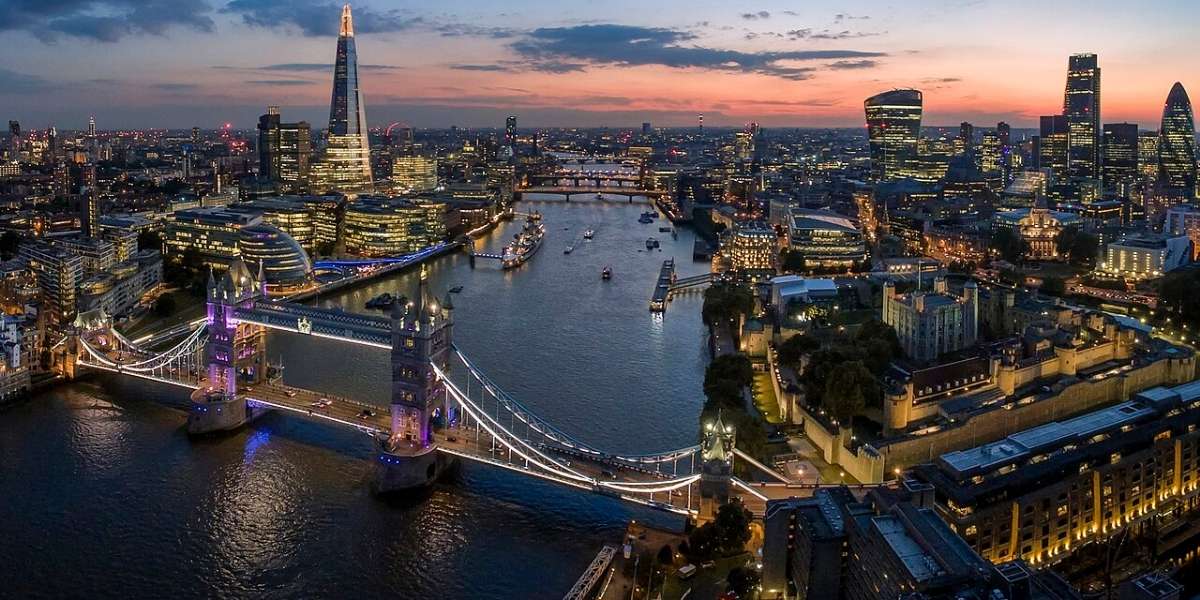
London is one of those cities people either defend with their whole chest or complain about like it personally ruined their week.
Often, somehow, both.
Ask locals what they love about living in London, and they’ll talk about the food, the Tube, the parks, the history, the theatres, the gigs, the pubs, the diversity, and the feeling that something important is always happening just around the corner.
Ask what they hate, and the tone changes quickly.
Then it’s the rent, the crowds, the commute, the pollution, the noise, the tourists, the £7 pints, the lack of late-night food, and the soul-crushing feeling that existing in London sometimes requires a direct debit.
We looked through hundreds of comments from people discussing the best and worst parts of living in London. While opinions varied wildly, the same themes came up again and again.
Here is what people love and hate most about living in London, according to locals.

1. People Love That London Always Has Something To Do
The most repeated positive was simple: London is never boring.
Residents mentioned exhibitions, gigs, restaurants, pubs, museums, theatre, parks, comedy nights, club nights, markets, football, galleries, and random things happening on a Tuesday that would be a major event almost anywhere else.
“There’s always something to do,” one commenter wrote. “An exhibition I haven’t been to, a local gig or a huge artist to see, a park to chill out in, a new pub or restaurant to try.”
That seems to be the central appeal of living in London. Even when people do not take advantage of everything, they like knowing the option exists.
There is comfort in being surrounded by possibility.
Want to see a world-famous artist? They will probably play London. Want to find a niche theatre production, obscure film screening, strange lecture, food market, historic pub, or tiny gig in a basement? Also probably possible.
London may be exhausting, but it rarely leaves people asking what there is to do.
2. People Hate How Expensive Living In London Is
The biggest complaint was not subtle.
Living in London is expensive. Painfully expensive.
Rent, drinks, restaurant meals, taxis, tickets, dates, service charges, council tax, commuting, coffee, groceries, and casual nights out all came up in the complaints.
“Cost of living is so damn expensive in London,” one commenter wrote.
Another summed it up more brutally: “You have to spend loads of money just to exist.”
That line captures one of the biggest contradictions of living in London. The city offers an almost endless menu of things to do, but many of those things cost enough to make people question their life choices in real time.
Even dating got dragged into it.
One commenter joked that living in London is good for Tinder matches, but bad because there is “no money to go on dates with said Tinder matches.”
Romance is alive. It just apparently needs a budget spreadsheet.
3. Public Transport Is One Of London’s Biggest Strengths
Despite the complaints about commuting, many locals still described London’s transport system as one of the best things about the city.
People especially praised the ability to live without a car.
“Knowing I will never need to own a car ever again,” one person wrote.
Another simply said: “The transport system.”
That may sound basic, but for many residents, it changes daily life. Living in London means people can get to work, meet friends, go to events, visit museums, reach airports, cross the city, and come home late without needing to drive.
Several commenters said they only fully appreciated London transport after spending time somewhere else.
One person remembered waiting four hours for a train outside London and said they never complained about a five-minute wait for the Central line the same way again.
That is the London disease: being furious your next train is five minutes away, then remembering other places have buses that arrive with the reliability of a ghost story.
4. The Commute Still Makes People Miserable
Public transport may be useful, but commuting in London is a different emotional category.
London’s vast network of Underground trains, buses, trams, and rail services carries millions of passengers every day through the city’s public transportation system.
The Tube is convenient. It is also crowded, hot, loud, rushed, and occasionally filled with the collective despair of several million people trying to get somewhere at once.
“Commuting makes everyone sad so no one says anything on the tube,” one commenter wrote.
Another said that before moving to London, they were shocked that “at least 1 hour of commuting” could be considered normal.
This is one of the clearest love-hate themes in the discussion. Locals appreciate the network, but many hate what daily commuting does to them.
The rush, the crowds, the delays, the heat, the screeching trains, the broken escalators, the people blocking platforms, the silent rage of someone standing on the left — it all adds up.
Living in London can make a person weirdly proud of the transport system while also fantasizing about never entering Zone 1 again.
5. The Food Scene Is Ridiculous
London’s food scene received huge praise.
Residents mentioned fine dining, street food, international restaurants, pubs, markets, takeout options, late-ish cafes, vegetarian and vegan choices, and cuisines from nearly everywhere.
One commenter described London’s food as “everything from the most incredible fine dining to the best street/junk food, and all in between.”
Another said the city offers “every cuisine on this planet.”
This came up especially often from people who value London’s diversity. The food is not just good because there are lots of restaurants. It is good because the city’s global population has shaped what people can eat on any given street.
Indian food. Turkish food. Nigerian food. Vietnamese food. Caribbean food. Polish food. Lebanese food. Malaysian food. French bakeries. Proper pubs. Railway arch producers. Street markets.
Living in London means “what do you want for dinner?” can become less of a question and more of a mild identity crisis.
6. But Going Out Feels Less Fun When Everything Costs More
While people praised restaurants and pubs, they also complained that the overall experience is getting worse.
Several commenters said they feel like they are paying more while getting less.
“I pay more every time whilst the customer experience gets worse,” one person wrote.
They pointed to slower service, smaller portions, lower-quality ingredients, higher prices, skeleton staffing, dirty glasses, and the growing need to book everything in advance.
Another commenter said “spontaneity seems harder and harder.”
That complaint matters because spontaneity is part of London’s magic. The city is supposed to be the kind of place where you can wander into a pub, stumble across a gig, grab food late, or meet friends without engineering the night like a military campaign.
But according to some residents, living in London now often means booking ahead, paying a deposit, bracing for a giant bill, and hoping the pint is at least poured properly.
A thrilling modern adventure.
7. Diversity Is One Of London’s Superpowers
Diversity came up constantly.
People praised London for its mix of cultures, languages, religions, food, identities, backgrounds, and communities.
“The diversity of living here is great,” one commenter wrote. “Whether that means the different people you can meet, the range of things you can do or the opportunities that are open to you here.”
Another said living in London makes it harder to dehumanize people because residents encounter so many different kinds of people in everyday life.
That is one of the emotional reasons people love living in London.
Many locals described the city as somewhere people can be different without attracting much attention. You can wear what you want, eat what you want, speak another language, follow a niche interest, go out alone, or simply exist without everyone making it their business.
For people who grew up in smaller or more homogenous places, that freedom can feel enormous.
8. London Can Still Feel Lonely
The flip side is that London’s size and churn can make it difficult to build lasting relationships.
Several commenters described the city as transient. People arrive, work, study, move neighborhoods, leave the country, change jobs, and disappear into the machinery of the city.
“It can be a pretty transient place — people come and go all the time, so can be hard to make lasting connections and friends,” one commenter wrote.
Another said: “People here already have their group of friends and it’s not easy to get in.”
This is one of the sadder contradictions of living in London. The city is packed with people, yet many residents say it can still feel isolating.
There are millions of people around you, but that does not automatically mean community. Sometimes it just means there are millions of people around you also trying to survive rent, commute, work, and the emotional violence of grocery prices.
London gives people access to everything. It does not always give them belonging.
9. Parks And Green Spaces Surprise People
London’s parks were one of the most praised features.
From Hyde Park and Richmond Park to St. James’s Park and Greenwich Park, London’s green spaces cover thousands of acres across the city.
People mentioned large parks, small squares, green spaces, walking routes, trees, wildlife, and places to decompress from the city’s pace.
“Parks. I didn’t even know I can enjoy being in the park,” one commenter wrote.
Another described London’s appeal as “the three P’s: Parks, Public Transport and Pubs.”
For a city this large and dense, green space clearly matters. Parks give Londoners somewhere to breathe, walk, sit, eat, read, exercise, meet friends, escape their flats, or briefly pretend rent is not real.
Several residents said London can feel like a collection of villages stitched together, with parks and neighborhood centers helping soften the intensity.
That may be one reason people stay. The city is massive, but it still has pockets that feel human.
10. Crowds Make Everything Harder
Of course, the parks, pubs, restaurants, museums, and Tube stations all have one recurring problem.
Other people.
Many commenters said London is simply too busy too often.
“Really busy, pretty much always and loads of tourists,” one person wrote.
Another said: “Loads of people, it’s hard to find some solitude.”
That crowding affects almost everything. It means queues, packed trains, full cafes, busy pavements, crowded attractions, booked restaurants, tourist bottlenecks, and the everyday stress of navigating people who are somehow both in a hurry and directly in the way.
This is where living in London can become a test of patience.
The same density that makes the city exciting also makes it tiring. The same crowds that support great restaurants, events, transit, and culture can make a quiet afternoon feel like a logistical operation.
London is alive. Sometimes a little too alive.

11. Culture Is Everywhere
Museums, theatre, galleries, classical music, ballet, opera, literary events, cinemas, comedy, bookshops, and historic sites all appeared in the positive comments.
Many of London’s most famous museums and cultural attractions are free to visit, making them a major draw for both residents and tourists.
“The convenience of having theatre, cinema, literary events and bookshops on your doorstep,” one commenter wrote.
Another praised “classical concerts, operas, ballets” and the ability to reach them by public transport.
This is one of the strongest arguments for living in London. Culture is not limited to one district or one type of person. Some of it is expensive, yes, but much of it is also free or low-cost, including major museums, galleries, public events, parks, lectures, and exhibitions.
For curious people, London is dangerously good.
You can learn something new every week and still feel like you have barely started.
12. Pollution And Grime Are Hard To Ignore
Several people complained about air pollution, dirt, noise, and the general grime that comes with a huge city.
“The smog makes your clothes dirty and snot black,” one commenter wrote.
Another simply said: “I dislike its air pollution.”
That is not exactly the tourism board version of London, but it is part of daily life for many residents.
Traffic, construction, crowds, noise, old infrastructure, packed stations, and city dust all add to the feeling that London can be physically wearing.
Some people adapt. Others feel it every day.
Living in London can be thrilling, but it is not always gentle on the body.
13. The Gigs And Music Scene Are Hard To Beat
London’s music scene came up repeatedly.
Residents said almost every major artist eventually plays London, while smaller indie acts, club nights, DJs, and niche events also have strong audiences.
“So many gigs,” one commenter wrote. “Pretty much every band and artist will play here at some point.”
Another said that if you search an artist’s name plus “Live London,” they are either playing soon or already played recently.
That kind of access is hard to replicate.
For music fans, living in London means being close to the action. The problem is not whether something is happening. The problem is whether you can afford the ticket, get there after work, and still function the next morning.
Minor details.
14. Late-Night London Disappoints Some Residents
For a global city, London got surprisingly strong criticism for its late-night options.
Several commenters said pubs close too early, late-night food can be weak outside certain areas, and too many options after 11 p.m. revolve around clubs rather than relaxed places to hang out.
“The lack of nightlife options after 11pm that aren’t clubs,” one commenter wrote.
Another said: “I wish other areas had places open till early hours.”
This stood out because London has a reputation as a major world city. People expect more late-night cafes, restaurants, casual bars, and places to sit after events.
Instead, some locals say the city can feel oddly closed for its size.
Nothing says global capital quite like wanting food after 10 p.m. and realizing your best option may involve chips, regret, or a train home.
15. History Is Built Into Daily Life
London’s history was one of the most beloved parts of the city.
People talked about ancient streets, old pubs, churches, architecture, museums, historic homes, literary landmarks, Roman history, royal history, theatres, and the feeling that every corner has a story.
“I’m constantly discovering a new bit of history about a street I’ve walked on hundreds of times and never realised,” one Londoner wrote.
Another described the joy of walking the same streets as historical figures and visiting places connected to major events.
This is one of the reasons living in London can feel different from simply living in a large city.
The past is not tucked away in one museum. It is layered into streets people use every day. A normal walk can pass buildings that survived wars, pubs older than countries, churches tucked between offices, and landmarks that millions travel across the world to see.
London makes history feel casual. Rude, honestly.
16. Noise, Phones, Traffic, And Chaos Wear People Down
Several complaints were less about one big issue and more about constant sensory overload.
People mentioned traffic, roadworks, Lime bikes, loud phone videos, platform blockers, people stopping suddenly, and the general chaos of moving through the city.
One commenter complained about “no longer being able to exist in any public/outdoor space without hearing social media content blaring from someone’s phone.”
Another simply said: “The traffic.”
It is not hard to see why this came up.
Living in London means sharing space with tourists, commuters, delivery riders, cyclists, drivers, buses, street performers, construction crews, sirens, foxes, pub crowds, and people who apparently believe headphones are a lifestyle choice for other people.
It can be energizing.
It can also make you want to sit in a silent cupboard for 45 minutes.
17. Anonymity Feels Freeing
Several people said they love that London allows them to disappear.
“The anonymity,” one commenter wrote. “You can do crazy things and no one even bats an eyelid.”
Another said: “Everyone minds their own damn business.”
For people from small towns or rural communities, that can be liberating. London does not require everyone to know your business. You can go to a restaurant alone, see a show alone, dress strangely, change your style, pursue a niche hobby, or simply be another person in the crowd.
That anonymity can sometimes feel lonely, but for others it feels like freedom.
In London, nobody cares.
Depending on the day, that is either brutal or beautiful.

18. The City Can Make People Wary
Not everyone experiences London’s anonymity as freedom.
Some said the city has made them guarded, skeptical, or less trusting of strangers.
“Lack of ‘trust,’ I guess,” one commenter wrote. “I feel like London has made me so wary of strangers that I have become so closed off.”
That is a real part of big-city life.
People learn to watch their bags, avoid scams, ignore strangers, keep moving, and assume anyone talking to them may want something. Those instincts can be useful, but they can also make daily life feel colder.
Living in London can teach independence. It can also teach suspicion.
That tradeoff appeared often in the comments.
19. London Has Global-City Energy
Many commenters said part of London’s appeal is simply knowing where they live.
It is a world city. A capital. A cultural hub. A place people travel across the world to visit, work in, study in, perform in, photograph, write about, complain about, and dream about.
“Just the buzz of being in one of the world’s two alpha ++ global cities,” one commenter wrote.
Another said: “I’m proud I live in a city that people from all over the world travel to, just to look at and experience for a week.”
That pride matters.
Even locals who are tired, broke, annoyed, and spiritually defeated by the Tube often admitted there is something special about London’s place in the world.
The city feels connected to everything.
News. Finance. Culture. Sport. Food. Fashion. Art. Politics. History. Travel.
For some people, that energy is addictive.
20. Safety And Crime Still Concern Some Residents
Crime did not dominate the dislike comments, but it appeared enough to matter.
Some commenters mentioned robbery, drugs, public disorder, and feeling unsafe in certain areas or at certain times.
“The crime,” one person wrote.
Another described London as “not the safest city.”
Several residents were careful to say their experience depends heavily on neighborhood, time of day, and personal circumstances. Some said they generally feel safe. Others said they are cautious, especially at night.
That is probably the most honest version of the London safety conversation.
It is not one thing everywhere. It is a huge city with huge variation, and people’s experiences can be dramatically different.
So, Is Living In London Worth It?
The clearest takeaway is that London gives people an extraordinary amount, but it also asks for a lot in return.
People love the transport, food, diversity, parks, pubs, gigs, museums, history, anonymity, opportunities, and global-city buzz. Those are not small perks. For many residents, they are the whole reason living in London still feels worth it.
But the complaints are just as clear.
London is expensive. It is crowded. Commuting is draining. Pollution is real. Friendships can be hard to build. Late-night options are weaker than expected. Customer service feels worse. The noise and chaos can wear people down.
That is the contradiction at the heart of living in London.
It can make ordinary life feel connected to culture, history, food, movement, and the wider world. It can also make ordinary life feel like an overpriced obstacle course with a Tube delay at the end.
Or, to put it more bluntly: London gives people endless options, then charges them heavily for the privilege of being tired.