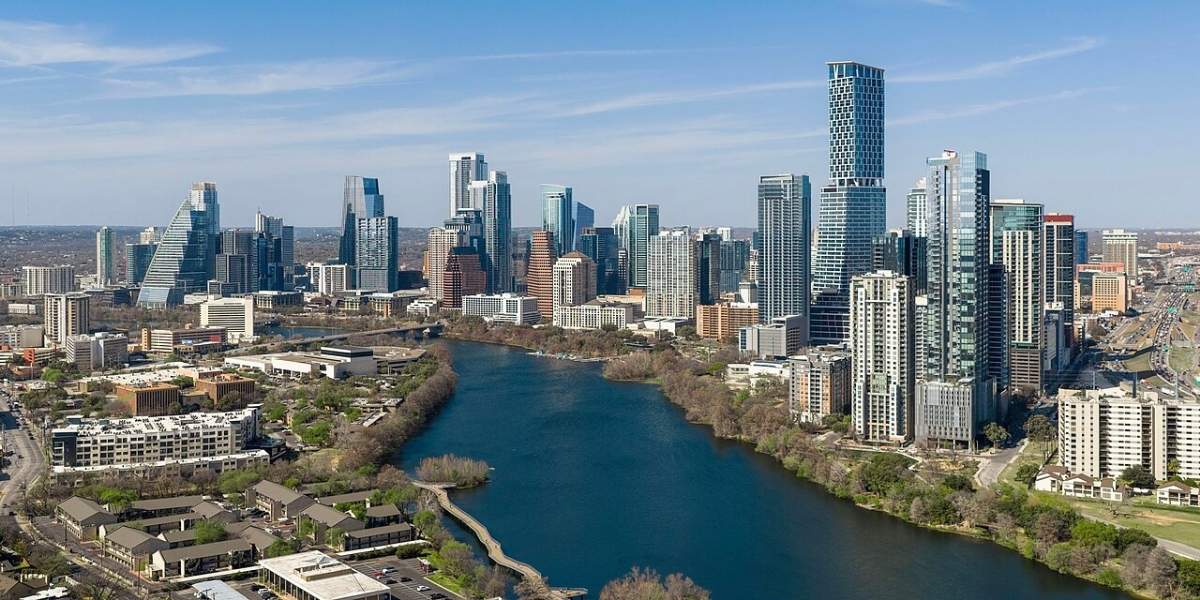
Austin may be one of the most loved, debated, and polarizing cities in America.
For anyone researching the pros and cons of living in Austin, there is certainly no shortage of opinions.
Some residents describe it as one of the most fun, vibrant, and unique places they’ve ever lived. Others say rising costs, rapid growth, and quality-of-life issues have changed the city dramatically.
A prospective transplant asked people what they love and hate about Austin. Hundreds of responses poured in.
While opinions differed on plenty of things, the same themes kept appearing again and again.
Here are the top 10 things residents say make Austin special — and the 10 things they wish would change.
What People Love About Living in Austin

1. The Food Scene Never Stops Evolving
If there was one thing nearly everyone agreed on, it was the food.
Austinites repeatedly pointed to the city’s mix of barbecue joints, Tex-Mex staples, food trucks, breakfast tacos, coffee shops, and locally owned restaurants as one of the biggest reasons they love living there.
“The food scene is incredible,” wrote one longtime resident. “There’s always a new food truck or restaurant opening with a new twist.”
Others said Austin’s food culture extends beyond restaurants.
Many specifically praised H-E-B, the Texas grocery chain that locals seem to discuss with the same enthusiasm most cities reserve for sports teams.
One transplant summed it up simply:
“H-E-B is the greatest grocery store in the world.”
2. Nature Is Built Into Daily Life
For a major city, Austin residents say nature never feels very far away.
Barton Springs, Lady Bird Lake, the hike-and-bike trail, greenbelts, swimming holes, and nearby Hill Country destinations were among the most frequently mentioned attractions.
Many residents said outdoor recreation is not something they save for vacation.
It is part of everyday life.
“We have tons of public green space, miles of hike and bike trails, parks and lakes,” one resident wrote.
Another described Austin as “a very chill, outdoorsy lifestyle city.”
For many locals, few things represent Austin better than cooling off at Barton Springs after a brutally hot summer day.
3. People Tend To Be Friendlier Than You’d Expect
One of the most common observations came from people who moved to Austin from other parts of the country.
Many said strangers are more approachable, conversations happen more naturally, and making friends feels easier than it does in larger East Coast cities.
“Everyone was so friendly and welcoming,” one former Washington, D.C., resident wrote.
Another described Austin’s culture this way:
“People just being themselves.”
Several commenters said Austin feels less focused on status, careers, and networking than cities such as Washington, D.C., Dallas, or New York.
4. Nobody Really Cares What You Do For A Living
This theme appeared repeatedly.
Many residents described Austin as a place where people are less interested in your job title and more interested in your hobbies, interests, and personality.
One commenter recalled being told:
“If you wanted a friend in Washington, get a dog.”
In contrast, Austin residents frequently described the city as more relaxed and less career-obsessed.
“I’ve had friends in Austin for years and had no idea what they did for work,” one commenter wrote.
For many people, that is a feature rather than a flaw.
5. The Live Music Scene Is Still A Big Deal
Despite years of complaints that Austin has changed, locals say one thing remains true:
There is still live music everywhere.
Residents pointed to small venues, festivals, neighborhood bars, outdoor patios, and major events such as ACL and SXSW.
“Live music. It’s still here. Everywhere, every day, all year long,” one commenter wrote.
Others noted that even grocery stores occasionally feature live performances.
Not many cities can say that.
6. There Is Always Something Going On
One phrase appeared again and again:
“There’s always something to do.”
Residents highlighted festivals, comedy shows, art markets, book clubs, fitness groups, sporting events, community meetups, brewery gatherings, and local celebrations.
“We are spoiled with the amount of cool ways you can spend any given night,” one person wrote.
Whether someone enjoys live music, literature, fitness, food, or niche hobbies, many residents said Austin makes it easy to find an event that fits.
7. It Is Easy To Find Your People
A surprising number of comments were not about attractions at all.
They were about community.
Residents described Austin as a city where people can find groups built around almost any interest imaginable.
Book clubs. Running clubs. Creative communities. Volunteer organizations. Fitness groups. Queer communities. Professional organizations. Niche hobby meetups.
“Whatever you’re into, you can eventually find like-minded people,” one resident wrote.
Several people said finding their community was what ultimately convinced them to stay.
8. Austin Still Feels Weird In The Best Way
The famous “Keep Austin Weird” slogan may be older than some current residents, but many people said the city’s quirky personality remains alive.
Locals pointed to independent bookstores, eccentric festivals, handmade art markets, offbeat businesses, and a culture that generally encourages self-expression.
“It is okay to be a silly goose here,” one resident joked.
Another described Austin as a place where being different rarely feels out of place.
9. The Location Makes Weekend Adventures Easy
Many residents love Austin not just for the city itself, but for what is nearby.
Commenters repeatedly mentioned day trips to Fredericksburg, Lockhart, Wimberley, Marble Falls, San Marcos, and dozens of other Hill Country destinations.
Tubing rivers, wineries, hiking trails, swimming holes, barbecue road trips, and small-town festivals all sit within a relatively short drive.
“My favorite day trip is going tubing in San Marcos,” one resident wrote.
For people who like exploring, Austin provides plenty of options without requiring a plane ticket.
10. It Has A Youthful Energy That People Find Addictive
Even residents who acknowledged Austin’s flaws often described the city as energetic, optimistic, and fun.
The presence of the University of Texas, a steady stream of newcomers, and a large population of young professionals gives the city a distinct atmosphere.
“It’s a young people’s city,” one commenter wrote.
Another described Austin as “a laid-back college town that refused to grow up.”
Whether that is a compliment or criticism depends on who you ask.
But judging by the responses, many residents see it as one of Austin’s biggest strengths.

What People Hate About Austin
Of course, ask Austinites what frustrates them about the city and you will get an entirely different list.
1. The Cost Of Living Feels Out Of Sync With What Austin Offers
The most repeated complaint was simple: Austin got expensive fast.
Several residents said the city now carries big-city prices without always delivering big-city amenities.
“It’s expensive when it didn’t use to be and has grown extremely rapidly,” one commenter wrote.
Another was sharper:
“Austin is priced like LA but offers very little in return.”
Housing came up constantly, especially from people who remember when Austin felt like a bargain compared with coastal cities.
Today, many residents say the value proposition has changed.
The complaint is not just that Austin is expensive.
It is that many people feel they are paying premium prices for a city still struggling to keep up.
2. The Traffic Is A Daily Quality-Of-Life Problem
Austin traffic was one of the clearest villains.
Residents complained about congestion, dangerous drivers, highway bottlenecks, and the feeling that getting across town can determine whether they bother leaving the house.
“If an activity involves crossing the river, I’m 70% less likely to go because the traffic is that dreadful,” one resident wrote.
Others said Austin’s infrastructure was not built for the population it now has.
One commenter described the city as having “the infrastructure and scale” of a smaller town trying to handle far more people than it was designed for.
For many residents, the problem is not just rush hour.
It is the way traffic changes how they experience the city.
3. Austin Is Not As Walkable As People Expect
Several commenters said Austin sells itself as a cool, urban city, but daily life often requires a car.
Residents complained that many neighborhoods lack true walkability, public transit remains limited, and even short trips often turn into drives.
“It’s not a walking city at all,” one commenter wrote.
Another put it bluntly:
“You can’t really walk to anything.”
This came up especially from people who moved from places such as Washington, D.C., Chicago, New York, or other cities with stronger transit networks.
For them, Austin can feel like a city with urban prices and suburban logistics.
4. The Heat Is Not A Cute Little Weather Quirk
Plenty of cities have hot summers.
Austin residents say this is different.
The heat was described as relentless, oppressive, and difficult to plan around for much of the year.
“May thru October it’s 100 degrees every day,” one commenter wrote.
Another called the weather “oppressive” and said they found it uncomfortable even during an April visit.
Others complained that Austin lacks the seasonal rhythm they miss from other parts of the country.
For people who love mild winters and sunshine, Austin weather may be a perk.
For those who want fall, cozy holidays, or summers where kids can comfortably play outside, it can become a dealbreaker.
5. The City Grew Faster Than Its Infrastructure
A recurring theme was that Austin changed faster than it could adapt.
Residents pointed to roads, housing, transit, public services, and emergency infrastructure as areas where the city has struggled to keep pace.
One person said Austin is “a city that can’t keep up with a rapidly growing population.”
Another wrote that Austin feels like it was “built for a population 1/3 this size.”
That growth has also changed the feel of the city.
Many commenters said Austin may still be fun, but it no longer feels easy.
6. “Keep Austin Weird” Feels More Like Branding Than Reality
Few phrases came up more often than the idea that old Austin is gone.
Residents complained that the city’s quirky, artsy culture has been diluted by tech money, corporate development, high-end restaurants, expensive condos, and transplants chasing a version of Austin that no longer exists.
“The ‘Keep Austin Weird’ reality died years ago,” one commenter wrote.
Another said Austin has become “a glorified suburb with a few tall buildings and a whole lot of hype.”
Several longtime residents did not say they hated Austin exactly.
They said they mourned what it used to be.
7. The Tech Boom Changed The Culture
Tech money, tech workers, influencers, luxury development, and corporate sameness came up repeatedly.
Some commenters said Austin now feels more like other expensive tech cities than the offbeat Texas city it once was.
One person wrote that Austin is “more in line with most big tech cities instead of being its own thing like it used to be.”
Another described the newer culture as “vapid” and “milquetoast.”
Not everyone blamed tech workers personally, but many residents said the tech boom changed housing prices, restaurants, social scenes, and the overall personality of the city.
8. Some Residents Say Austin Lacks Diversity
Several commenters criticized Austin for feeling less diverse than other major cities, especially compared with Houston, Los Angeles, Chicago, New York, or Washington, D.C.
“Austin completely lacks diversity,” one commenter wrote.
Another said Austin can feel progressive on the surface while still being socially narrow in practice.
Some residents specifically described the city as racially, culturally, or intellectually less diverse than they expected.
That complaint showed up most strongly from people who moved from larger, more established metro areas.
9. Public Safety And Homelessness Weigh On Some Residents
Crime, homelessness, drug use, porch thefts, harassment, and feeling unsafe came up in several responses.
One resident described Austin as stressful, citing “violent and petty crime” and concerns about walking alone at night.
Another wrote that the homelessness and drug problem was “impossible to ignore.”
Not everyone agreed with that assessment, and some pushed back that Austin’s crime issues are mild compared with larger cities.
But for people who feel affected by it day to day, the concern is real.
10. Some People Say Austin Is Overhyped
Perhaps the biggest complaint was not one single issue.
It was the gap between Austin’s reputation and residents’ lived experience.
Several commenters said Austin markets itself as weird, affordable, creative, outdoorsy, and exciting, but does not always live up to that promise anymore.
“It’s great at marketing itself and terrible at following through,” one person wrote.
Another was even more direct:
“Austin is hands down the most overrated city in the US.”
That does not mean everyone hates Austin.
Many people in the same discussions praised the food, music, friends, parks, and communities they found there.
But the criticism was clear: Austin may still be a good city, but for some residents, it is no longer the magical exception people were promised.
So, Is Austin Still Worth It?
That depends entirely on what someone wants from a city.
For people who love food trucks, live music, swimming holes, warm weather, casual culture, and the ability to find a community around almost any interest, Austin still delivers.
For people who want walkability, reliable transit, lower housing costs, four real seasons, and big-city amenities that match big-city prices, Austin can be a much tougher sell.
The clearest takeaway from residents was not that Austin is good or bad.
It is that Austin is complicated.
People love it deeply. People complain about it loudly.
And sometimes, judging by the responses, they do both in the same breath.