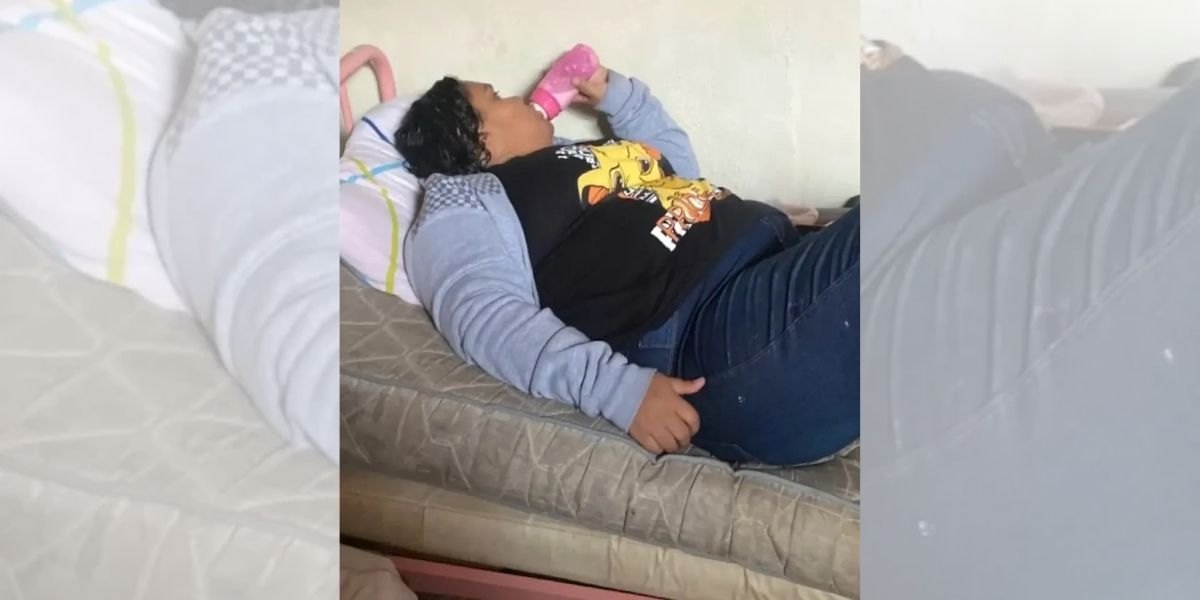
A bizarre case out of Brazil has left many readers asking the same question: How do you accidentally spend more than a year believing a 37-year-old woman is a 12-year-old girl?
According to Brazilian authorities, a family not only believed it — they reportedly threw her a 12th birthday party, treated her like a daughter, and even considered formally adopting her.
Police say the woman allegedly convinced the family she was a child who had fled an abusive home and lived with them for roughly 14 months before the deception unraveled.
The case sounds like something out of a movie. But it also offers a surprisingly practical lesson: if someone claiming to be a vulnerable child enters your life, compassion is important — but so is verification.
The Allegations
Police in Brazil say the woman, 37, used a false identity and claimed to be a 12-year-old girl who had escaped abuse.
Investigators allege she first sought help from a church community before eventually being welcomed into a family’s home. Police say the family became emotionally attached and treated her as their daughter for more than a year.
Authorities further allege the woman adopted childlike behaviors to support the story and repeatedly avoided discussions involving official records, identification documents, school enrollment or formal adoption procedures.
The alleged scheme only came to light after a relative contacted authorities, according to investigators.
Authorities say the woman later confessed during questioning and was charged with fraud and false identity offenses before being taken to Joinville Regional Prison, where she remains in custody pending the case.
Red Flag No. 1: No Identification
This may be the most obvious lesson from the case.
According to investigators, the woman allegedly never provided identification documents.
While there are legitimate reasons someone may not immediately have access to records, experts generally advise verifying identity as soon as possible when someone claims to be a minor without parents or guardians.
Birth certificates, school records, government-issued identification, medical records and court records can often help establish a person’s age and identity.

Red Flag No. 2: Every Question Has An Excuse
According to police, the woman allegedly had explanations for why she appeared older, why she could not attend school and why official channels should not be involved.
One unusual explanation, investigators said, involved claims that medical treatment during childhood caused her adult appearance.
A single explanation for a missing document may be reasonable.
An explanation for every missing document, missing record and missing verification step should raise additional questions.
Red Flag No. 3: Resistance To Verification
Perhaps the biggest warning sign described by investigators was an alleged reluctance to involve institutions that could verify the woman’s story.
Police say she repeatedly avoided formal adoption discussions and discouraged efforts that might have led to independent verification.
Experts generally recommend involving professionals whenever a person claiming to be a runaway or abandoned child enters a family’s care.
That can include law enforcement, child protective services, schools, social workers and licensed youth organizations.
What Should You Do If A Child Shows Up Needing Help?
The answer isn’t to slam the door. Most people would want to help a frightened child who appears to be in crisis.
But experts say families should avoid becoming the sole source of support before basic facts are verified.
If someone claims to be a minor without parents or guardians, consider contacting local authorities, child welfare agencies or school officials who can help confirm the person’s identity and circumstances.
The goal isn’t to be suspicious of everyone. The goal is to make sure the person receives the right help from the right people.
Why Formal Adoptions Are Different
One reason the Brazilian case has attracted so much attention is that it would be extremely difficult to pull off through the formal adoption process in the United States.
Legal adoptions typically involve birth certificates, court records, medical records, background reviews, social workers, attorneys and judges.
Multiple professionals independently verify a child’s identity before an adoption can be finalized.
Those safeguards can feel lengthy and frustrating at times, but they exist to protect both children and families.
The Bottom Line
Most Americans are probably not at risk of accidentally welcoming a 37-year-old posing as a sixth grader into their home.
Still, the unusual allegations out of Brazil highlight an important principle: trust your heart, but verify with your head.
If someone claims to be a vulnerable child in need of help, offering compassion is admirable. Making sure their story can be verified is equally important.
Trending: Convicted Triple-Digit Speed Killer Mackenzie Shirilla Complains She’s ‘Bored’ In Prison: Report