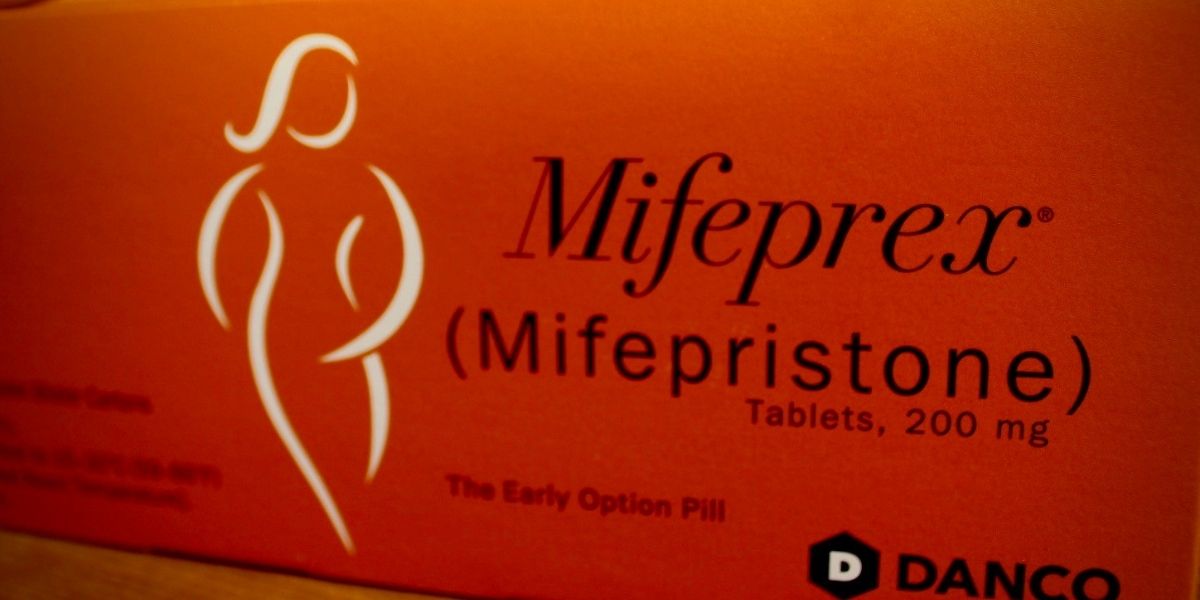
The Supreme Court on Thursday allowed women to continue accessing the abortion pill mifepristone through telehealth appointments and mail delivery while a legal challenge from Louisiana continues in lower courts.
The decision temporarily preserves nationwide access to the drug without requiring patients to visit a doctor in person, blocking a May 1 ruling from the 5th U.S. Circuit Court of Appeals that would have reinstated stricter rules on how the medication is prescribed and dispensed.
Justices Clarence Thomas and Samuel Alito dissented.
The ruling keeps the current system in place while litigation moves forward in the New Orleans-based appeals court, which will now consider the broader merits of Louisiana’s challenge.
Mifepristone is part of a two-drug regimen approved by the U.S. Food and Drug Administration and is now the most common method of abortion in the United States. The drug is also used in miscarriage care.
Drugmakers Danco Laboratories and GenBioPro had asked the Supreme Court to block the appeals court ruling, arguing that Louisiana lacked standing to challenge the FDA’s policies.
The Supreme Court declined to immediately take up the case itself, meaning the legal battle will continue in lower courts and could eventually return to the justices in the future.
The dispute centers on changes made during the Biden administration that expanded access to mifepristone through telehealth appointments and mail delivery.
Louisiana Attorney General Liz Murrill argued in court filings that the state’s abortion restrictions were being undermined by mailed abortion pills. According to court documents, the state estimated that up to 1,000 abortions per month were still occurring in Louisiana through mailed mifepristone.
Anti-abortion groups and Republican-led states have pushed to restore in-person dispensing requirements, arguing the medication can pose safety risks when taken at home. Major medical organizations and multiple studies have found the drug to be safe and effective when used as directed.
In a dissenting opinion, Alito criticized the decision and said efforts to expand access to mifepristone were designed to “undermine” the Supreme Court’s 2022 decision overturning Roe v. Wade.
Thomas separately argued that federal law prohibits mailing abortion drugs and wrote that the manufacturers were seeking to avoid financial losses “from their criminal enterprise.”
The Trump administration notably did not file a brief with the Supreme Court in the case, though the Justice Department has argued in lower court proceedings that Louisiana lacks legal standing to sue.
The FDA is also continuing its own review of safety protocols surrounding mifepristone, meaning future changes to access rules remain possible.
Abortion is currently banned or heavily restricted in multiple states following the Supreme Court’s 2022 decision overturning Roe v. Wade.
Want more local news? Follow Puget Press on Facebook.